

Mobile communication services are offered via using cell phone towers. These towers are often found on utility poles, roofs, and cellular phone antennae.
Within 50 meters of the antenna, cellular phone tower radiation is generally at its peak and gradually becomes weaker from there. It's crucial to maintain your distance from a 5G cell tower due to this.
1. The Tower's Height
The new 5G technology runs at frequencies which are higher than those of earlier generations, and high frequency waves have a more difficult time passing past obstructions. This implies that several smaller towers, known as tiny cells, will need to be setup in towns and cities all over the world. There will be what is a safe distance from a 5g cell tower of RF radiation for everyone around since these small antennas will undoubtedly be placed far closer together than conventional cell towers.
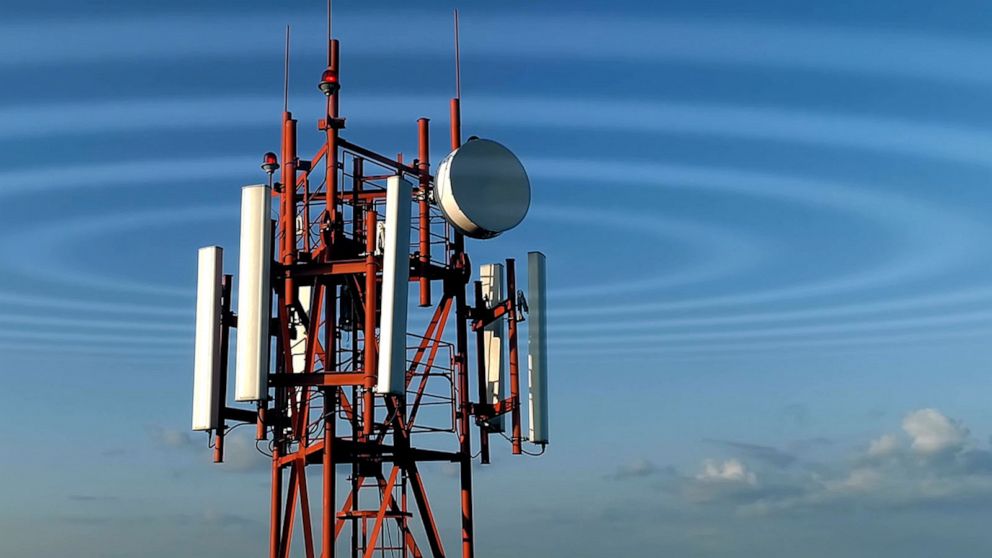
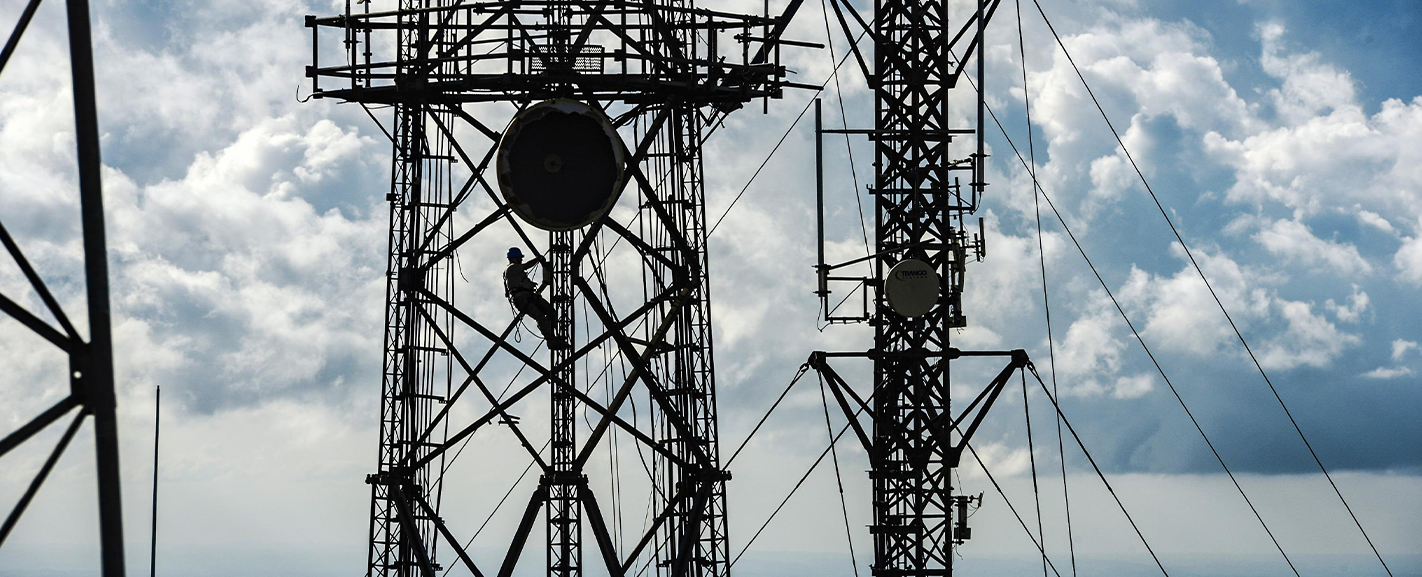
The potential hazard of these new tiny cell antennas is really a major way to obtain concern. They worry that by living near by, they may are more more likely to get cancer or other illnesses. These worries are unjustified, however. These antennas emit RF (radio-frequency) radiation that's a huge selection of times below acceptable levels. Furthermore, research has shown that residing close to a cell tower does not make you more prone to become sick.
An average cell tower's range is between one and three miles. The equipment on the tower and the terrain it traverses define its range. The number is often shorter in urban settings?between 0.25 miles and 1 mile.
2. The Signal's Frequency
Radio Frequency Radiation (RF) from cell towers might be dangerous. This RF radiation may enter the body of an individual and bring about illnesses including nausea, migraines, and also cancer.
Wide-ranging frequencies are employed by cellular towers to provide speech and data. The coverage section of low frequency transmissions, such as those at 600 MHz and 700 MHz, is bigger than that of high frequency broadcasts. For example, a cell tower operating at 2.5 GHz frequencies includes a 3 mile or even more coverage area. But a cell tower operating at 3.5 GHz C-band frequencies can only just distribute its signal for roughly a mile.
More cells must be installed in urban centers for cellular networks to function more efficiently. They must construct additional cell towers and locate them closer together to do this. As a result, the radius of cell towers has decreased over time. Currently, nearly all cell towers in metropolitan areas are 0.25 miles to at least one 1 mile aside from one another.
Because 5G needs additional cell sites, this has increased worries concerning the technology. Some others also worry that civilians will be spied on via these cell locations. For example, some people worry that the advent of 5G can lead to an increase in the number of stingrays, or false cell towers. These stingrays transmit signals to mobile devices that enable position tracking and user identification.
3. The Signal's Power
How much energy that a signal is transmitting is gauged by its power. The amount of energy communicated increases with power. The frequency of the signal and the amount of time it really is being sent have an impact on the signal's power as well.
The concerns linked with 5G mobile towers regarding security, privacy, and health have lots of people worried. Additionally, they worry that the skyscrapers can make their properties worth less. Some localities are even seeking to outright prohibit installing these cell towers.
5g towers safe distance that 5G consumes substantially more power than earlier wireless technologies is among the reasons for some of the concerns around it. Subsequently, there exists a greater chance that the towers may release radiation. Additionally, there are worries that the towers' radiation may contribute to illnesses including cancer and cardiovascular disease.
These worries are unjustified, however. In 5g towers safe distance with studies, the RF radiation via 5G towers is hundreds or even a large number of times below acceptable limits. Furthermore, rays from cell towers cannot enter our body since it is not absorbed by living tissue. Additionally, 5G tower signals have shorter wavelengths than those from prior mobile phone technologies. Because of this, the cell towers must be placed more closely together than in the past since they can only just traverse short distances.
4. The Distance Between You and the Tower
There's fear that additional cell towers will undoubtedly be required when the mobile network switches to 5G. This is due to the 5G network will run at higher frequencies, and higher frequency waves have a more difficult time bouncing off of hills, trees, along with other obstructions. As a consequence, cell towers must be considerably closer together than in past technological eras, increasing the quantity of transmitters around you all the time.
The issue is that the majority of people mistake tiny cells for 5G cell towers. Small cells, which are generally mounted on utility poles or light poles, are actually antennas that function together with giant macro-towers to generate wireless networks. Because of their closeness to residences and businesses, even though they aren't thought of as being a element of a mobile phone tower, some people mistakenly believe that they represent 5G technology.
https://museumring82.werite.net/post/2023/05/17/From-what-extent-may-one-safely-approach-a-5G-cell-tower of the tower's radius is where cell phone radiation reaches its peak, so when you go farther away, it becomes weaker. Studies have really shown that some residents who live near a cellular phone tower experience health discomforts including headaches and indigestion. One German research monitored people who lived 400 meters or less from two cellular phone towers for 10 years. They discovered that the incidence of cancer diagnoses was 3 x greater for many who lived near the tower than for people who lived further away.